
Understanding estrogens in men is crucial for maintaining optimal health throughout life. While testosterone often takes center stage in discussions about male hormones, estrogen plays an equally important role in men’s wellbeing. When excess estrogens tip the delicate hormonal balance, they can trigger a cascade of health issues that impact everything from sexual function to immune response.
Hormonal imbalances in men have become increasingly common, affecting millions of men worldwide. These imbalances don’t just influence physical appearance—they directly impact energy levels, mood, bone health, and even cardiovascular function. Recognizing the signs and understanding the underlying mechanisms becomes essential for anyone seeking to optimize their health through proper hormonal support.
Excess estrogens symptoms can often be mistaken for normal aging processes. Many men dismiss fatigue, weight gain, or decreased libido as inevitable consequences of getting older, when these symptoms may actually indicate a treatable hormonal imbalance that requires professional attention.
What is estrogen and why is it important for men?

Estrogens in men serve multiple vital functions that extend far beyond reproductive health. The primary form of estrogen in men is estradiol (E2), which is produced through the conversion of testosterone by an enzyme called aromatase (Medical News Today). This process occurs in various tissues including the testicles themselves.
Normal estradiol levels in men typically range between 10-40 picograms per milliliter (pg/mL), though some medical centers suggest optimal levels fall between 20-55 pg/mL (TCT Med). These seemingly small amounts play outsized roles in maintaining:
- Bone density and strength – Essential for preventing osteoporosis and fractures
- Cardiovascular health – Supporting healthy cholesterol levels and heart function
- Brain function – Influencing mood, cognition, and neuroprotection
- Sexual function – Contributing to libido and erectile function alongside testosterone
- Metabolic processes – Affecting fat distribution and insulin sensitivity
Research has consistently shown that estrogen’s role in male physiology is far more complex than previously understood. A comprehensive study published in Nature demonstrated that estradiol is essential for modulating libido, erectile function, and spermatogenesis in men (PMC). This research revealed that estrogen receptors and aromatase are abundant in the brain, penis, and testis—organs critical for male sexual function.
The conversion process from testosterone to estrogen occurs through aromatization, primarily in peripheral tissues. As men age, this process can become dysregulated, leading to high estrogenic activity that disrupts the delicate testosterone-to-estrogen ratio (DUTCH Test). Understanding this relationship becomes crucial for maintaining optimal hormonal balance throughout life.
The optimal testosterone-to-estradiol ratio in men appears to fall between 10:1 and 30:1, calculated as testosterone in ng/dL divided by estradiol in pg/mL. Values outside this range may indicate hormonal problems in men that require attention.
What happens if estrogen levels are too high in men?

Excess estrogens in men can trigger a complex web of physiological changes that significantly impact quality of life. When estrogen levels rise above normal ranges or when the testosterone-to-estrogen ratio becomes imbalanced, men may experience both immediate symptoms and long-term health consequences.
The mechanisms behind high estrogenic activity often involve increased aromatase enzyme activity, which converts more testosterone into estrogen. This can occur due to several factors including excess body fat, certain medications, environmental toxins, or underlying health conditions (Healthline). Fat tissue contains high levels of aromatase, creating a cycle where increased body fat leads to higher estrogen production, which can further promote fat storage.
| System Affected | Immediate Effects | Long-term Consequences |
| Reproductive | Decreased libido, erectile dysfunction | Infertility, testicular atrophy |
| Physical | Gynecomastia, fluid retention | Muscle loss, increased body fat |
| Metabolic | Energy fluctuations, mood swings | Type 2 diabetes risk, metabolic syndrome |
| Cardiovascular | Blood pressure changes | Increased clotting risk, heart disease |
Research indicates that elevated estrogen levels in men are associated with increased inflammation and have been linked to serious conditions including dementia, depression, cancer, diabetes, and blood clot formation (BodyLogic MD). These findings underscore the importance of maintaining proper hormonal balance rather than dismissing symptoms as normal aging.
Symptoms of excess estrogen in men
Excess estrogens symptoms in men can manifest across multiple body systems, often developing gradually over months or years. Many men initially attribute these changes to stress, aging, or lifestyle factors, delaying proper diagnosis and treatment.
Physical symptoms are often the most noticeable:
- Gynecomastia – Enlargement of breast tissue, often accompanied by tenderness
- Fluid retention – Swelling in hands, feet, or face, contributing to a bloated feeling
- Changes in body composition – Increased abdominal fat and decreased muscle mass
- Hair loss – Particularly noticeable on the body and face
- Skin changes – Including increased oiliness or sensitivity
Sexual and reproductive symptoms directly impact intimate relationships:
- Decreased libido – Reduced interest in sexual activity
- Erectile dysfunction – Difficulty achieving or maintaining erections
- Infertility issues – Reduced sperm count and quality
- Testicular changes – Possible shrinkage or reduced sensitivity
Metabolic and cognitive symptoms affect daily functioning:
- Chronic fatigue – Persistent tiredness despite adequate sleep
- Mood instability – Including depression, anxiety, or irritability
- Concentration difficulties – Problems with focus and memory
- Sleep disturbances – Particularly affecting deep, restorative sleep
Studies have shown that men with elevated estrogen levels may also experience increased risk of prostate enlargement and related urinary symptoms (Nova IVF). The prostate gland contains estrogen receptors, and excessive estrogen stimulation can contribute to benign prostatic hyperplasia (BPH), leading to difficulties with urination and bladder emptying.
High estrogenic activity can increase the risk of blood clot formation, potentially leading to serious cardiovascular events. Men experiencing sudden chest pain, shortness of breath, or leg swelling should seek immediate medical attention, as these may indicate dangerous clotting complications.
What happens if a man takes female hormones?
The introduction of external female hormones in men through supplements, medications, or environmental exposure can dramatically alter the body’s natural hormonal equilibrium. Understanding these effects is crucial for men who may be inadvertently exposed to estrogenic compounds or considering hormone-related treatments.
When men are exposed to external estrogens, their bodies may respond by reducing natural testosterone production through negative feedback mechanisms. The hypothalamic-pituitary-gonadal axis, which regulates hormone production, attempts to maintain balance by decreasing luteinizing hormone (LH) and follicle-stimulating hormone (FSH) when it detects elevated estrogen levels (Mayo Clinic).
Immediate effects of taking female hormones may include:
- Rapid changes in mood and emotional regulation
- Breast tissue development and tenderness
- Shifts in energy levels and sleep patterns
- Changes in skin texture and hair growth patterns
- Alterations in body fat distribution
Long-term consequences can be more severe and potentially irreversible:
- Significant suppression of natural testosterone production
- Permanent breast tissue development (gynecomastia)
- Fertility impairment or sterility
- Increased risk of cardiovascular complications
- Bone density changes and fracture risk
Environmental exposure to xenoestrogens—estrogen-like chemicals found in plastics, pesticides, and personal care products—represents a more subtle but widespread concern. These compounds can mimic natural estrogens in the body, contributing to hormonal changes in men even without direct hormone supplementation (Fortis Healthcare).
Research has demonstrated that certain medications can also trigger estrogenic effects. Antibiotics, psychoactive medications, and even some herbal supplements containing phytoestrogens can contribute to elevated estrogen levels in susceptible men (Healthline).
The concept of progesterone high in men also deserves attention, as progesterone can be converted to estrogen through various metabolic pathways. While progesterone is typically present in much lower levels in men compared to women, elevated levels can contribute to overall hormonal imbalance and may indicate underlying endocrine dysfunction.
Low estrogen in men: is it equally problematic?

While much attention focuses on excess estrogens, having insufficient estrogen can be equally problematic for men’s health. The key lies in achieving optimal balance rather than simply minimizing estrogen production. Understanding the consequences of low estrogen helps illustrate why maintaining proper levels is crucial for overall wellbeing.
Low estrogen symptoms in men can include:
- Bone health deterioration – Increased risk of osteoporosis and fractures
- Cardiovascular complications – Elevated cholesterol and heart disease risk
- Sexual dysfunction – Paradoxically, both high and low estrogen can cause erectile problems
- Mood disorders – Depression, anxiety, and cognitive difficulties
- Metabolic issues – Changes in fat distribution and insulin sensitivity
Research has consistently shown that estrogen plays a dominant role in regulating the male skeleton. Studies indicate that men with clinically low estrogen levels have significantly lower bone mineral density compared to those with normal levels (PubMed). This finding challenges the traditional view that testosterone alone is responsible for bone health in men.
The relationship between estrogen deficiency and cardiovascular health is particularly concerning. Men with very low estrogen levels may experience adverse changes in lipid profiles, increased arterial stiffness, and elevated blood pressure. These cardiovascular risks highlight the importance of maintaining estrogen within optimal ranges rather than attempting to eliminate it entirely.
Cognitive function also depends on adequate estrogen levels. The brain contains numerous estrogen receptors, and insufficient estrogen can contribute to memory problems, difficulty concentrating, and increased risk of neurodegenerative conditions. Some research suggests that men with estrogen deficiency may have higher rates of depression and anxiety disorders.
The goal should never be to eliminate estrogen completely in men. Instead, focus on achieving optimal testosterone-to-estrogen ratios through natural methods that support healthy hormone metabolism and balance.
How to detect and treat estrogen imbalance in men?
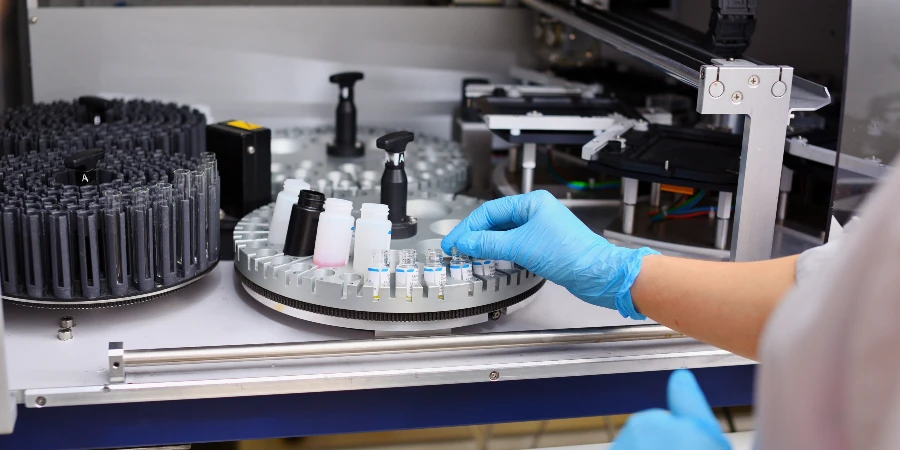
Accurate diagnosis of hormonal imbalance men requires comprehensive testing that goes beyond basic hormone panels. Many conventional tests only measure total hormone levels at a single point in time, missing important information about hormone metabolism, daily fluctuations, and the relationships between different hormones.
Comprehensive hormone testing should include:
- Total and free testosterone levels – Understanding both bound and available hormone
- Estradiol (E2) measurement – The most potent form of estrogen in men
- Sex hormone-binding globulin (SHBG) – Affects hormone availability
- Luteinizing hormone (LH) and follicle-stimulating hormone (FSH) – Indicates pituitary function
- Dihydrotestosterone (DHT) – Important for androgenic effects
- Cortisol patterns – Stress hormones that interact with sex hormones
Advanced testing may also evaluate hormone metabolites, which provide insights into how the body processes and eliminates hormones. This information becomes crucial for developing targeted treatment strategies that address the root causes of imbalance rather than just symptoms.
Treatment approaches for estrogen imbalance typically involve multiple strategies:
Lifestyle modifications form the foundation of treatment:
- Weight management to reduce aromatase activity in fat tissue
- Regular exercise to optimize hormone production and metabolism
- Stress reduction techniques to support healthy cortisol patterns
- Sleep optimization to support natural hormone rhythms
Nutritional interventions can significantly impact hormone balance:
- Cruciferous vegetables containing compounds that support estrogen metabolism
- Zinc supplementation to support testosterone production and reduce aromatase activity
- Omega-3 fatty acids to reduce inflammation and support hormone synthesis
- Vitamin D optimization for hormone production and immune function
Medical treatments may be necessary in severe cases:
- Aromatase inhibitors to reduce testosterone-to-estrogen conversion
- Testosterone replacement therapy when levels are clinically low
- Selective estrogen receptor modulators (SERMs) to block estrogen effects
- Treatment of underlying conditions contributing to hormone imbalance
Never attempt to self-treat hormone imbalances with over-the-counter supplements or unregulated compounds. Improper hormone manipulation can lead to serious health consequences including cardiovascular complications, bone loss, and permanent reproductive dysfunction.
What factors contribute to hormone imbalance in men?

Understanding the root causes of hormonal problems in men enables more effective prevention and treatment strategies. Multiple factors often work together to disrupt normal hormone production and metabolism, creating complex patterns that require comprehensive approaches to address.
Age-related changes represent the most predictable factor. Beginning around age 30, men typically experience a gradual decline in testosterone production of approximately 1% per year (Med Studio). Simultaneously, aromatase activity may increase, particularly in the presence of excess body fat, leading to higher conversion of remaining testosterone to estrogen.
Lifestyle factors significantly impact hormone balance:
- Chronic stress elevates cortisol levels, which can suppress testosterone production
- Poor sleep quality disrupts natural hormone rhythms and recovery processes
- Sedentary behavior reduces muscle mass and increases fat accumulation
- Excessive alcohol consumption impairs liver function needed for hormone metabolism
- Smoking affects blood flow and hormone transport mechanisms
Nutritional deficiencies can impair hormone synthesis and regulation:
- Zinc deficiency reduces testosterone production and increases aromatase activity
- Vitamin D insufficiency affects multiple hormone pathways
- Magnesium deficiency impairs stress response and sleep quality
- Essential fatty acid imbalances affect hormone synthesis and inflammation
Environmental exposures represent an increasingly recognized concern:
- Xenoestrogens in plastics, pesticides, and personal care products
- Heavy metals that can disrupt endocrine function
- Electromagnetic fields that may affect pineal gland function
- Chemical pollutants in air, water, and food sources
Medical conditions that can contribute to hormone imbalance include:
- Type 2 diabetes and insulin resistance – Affects hormone synthesis and metabolism
- Thyroid disorders – Influence metabolic rate and hormone interactions
- Liver disease – Impairs hormone metabolism and clearance
- Kidney dysfunction – Affects hormone elimination and mineral balance
- Autoimmune conditions – Can target endocrine glands directly
Medications that may disrupt hormone balance:
- Opioid pain medications – Can suppress testosterone production
- Statins – May affect cholesterol-based hormone synthesis
- Antidepressants – Can influence neurotransmitter-hormone interactions
- Blood pressure medications – Some types may affect hormone metabolism
Chemical exposure through everyday products represents a significant but controllable risk factor. Choosing organic foods, filtering water, avoiding plastic containers for food storage, and selecting natural personal care products can significantly reduce xenoestrogen exposure.
Tips for maintaining a healthy hormone balance in men

Achieving and maintaining optimal hormonal balance men requires a comprehensive approach that addresses multiple aspects of health and lifestyle. The following strategies work synergistically to support natural hormone production, optimize metabolism, and reduce factors that contribute to imbalance.
Maintain a balanced, nutrient-rich diet
Proper nutrition forms the foundation of healthy hormone production. The body requires specific nutrients to synthesize hormones, support enzymatic processes, and maintain optimal metabolic function. Focus on whole, minimally processed foods that provide essential building blocks for hormone synthesis.
Key nutritional strategies include:
- Adequate protein intake – Aim for 0.8-1.2 grams per kilogram of body weight to support muscle maintenance and hormone synthesis
- Healthy fats – Include omega-3 fatty acids from fish, nuts, and seeds, which serve as precursors for hormone production
- Complex carbohydrates – Choose whole grains, vegetables, and fruits to maintain stable blood sugar and support energy production
- Zinc-rich foods – Oysters, lean meats, pumpkin seeds, and legumes support testosterone production
- Cruciferous vegetables – Broccoli, cauliflower, and Brussels sprouts contain compounds that support healthy estrogen metabolism
Foods to minimize or avoid:
- Highly processed foods with added sugars and artificial ingredients
- Excessive alcohol, which impairs liver function needed for hormone metabolism
- Foods high in trans fats that promote inflammation
- Soy products in large quantities, which contain phytoestrogens
- Non-organic dairy and meat products that may contain added hormones
Supplements for hormonal imbalance may include:
- Vitamin D3 – Essential for hormone production and immune function
- Magnesium – Supports stress response and sleep quality
- Zinc – Critical for testosterone synthesis and immune health
- Omega-3 fatty acids – Reduce inflammation and support hormone synthesis
- B-complex vitamins – Support energy production and stress response
Recommended products
-

Vitamin D3+K2, 120 capsules
23.98 $ -

Magnesium + B6, 60 capsules
19.48 $ -

Multivitamins, 60 capsules
19.48 $
Exercise regularly

Physical activity represents one of the most powerful interventions for optimizing hormone balance. Regular exercise stimulates testosterone production, improves insulin sensitivity, reduces inflammation, and helps maintain healthy body composition.
Resistance training provides particularly strong benefits:
- Compound movements like squats, deadlifts, and presses stimulate testosterone release
- Progressive overload principles ensure continued adaptation and hormone optimization
- Aim for 2-3 resistance training sessions per week focusing on major muscle groups
- Include both heavy (3-6 reps) and moderate (8-12 reps) rep ranges for optimal stimulus
Cardiovascular exercise supports overall metabolic health:
- Moderate-intensity activities like brisk walking, cycling, or swimming
- High-intensity interval training (HIIT) can boost testosterone and improve insulin sensitivity
- Aim for 150 minutes of moderate-intensity or 75 minutes of vigorous activity per week
- Avoid excessive endurance training, which may suppress testosterone production
Benefits of regular exercise include:
- Increased testosterone production through enhanced Leydig cell function
- Improved insulin sensitivity and glucose metabolism
- Reduced inflammation and oxidative stress
- Better sleep quality and stress management
- Maintained muscle mass and reduced body fat percentage
Get enough sleep and maintain a regular schedule
Quality sleep is fundamental for hormone production and regulation. Most testosterone production occurs during deep sleep phases, while sleep deprivation can dramatically reduce hormone levels and disrupt normal circadian rhythms.
Sleep optimization strategies:
- Consistent schedule – Go to bed and wake up at the same time daily, even on weekends
- 7-9 hours nightly – Most adults need this amount for optimal hormone production
- Cool, dark environment – Maintain bedroom temperature around 65-68°F (18-20°C)
- Electronic device curfew – Avoid screens for at least one hour before bedtime
- Comfortable bedding – Invest in quality mattresses and pillows that support restful sleep
Sleep hygiene practices:
- Create a relaxing bedtime routine to signal your body it’s time to sleep
- Avoid caffeine after 2 PM and alcohol within 3 hours of bedtime
- Use blackout curtains or eye masks to block light exposure
- Consider white noise machines to minimize sleep disruptions
- Keep the bedroom exclusively for sleep and intimacy
Manage stress effectively
Chronic stress represents one of the most significant threats to hormone balance. Elevated cortisol levels can suppress testosterone production, increase fat storage, and contribute to insulin resistance. Developing effective stress management strategies becomes crucial for maintaining optimal hormonal health.
Stress reduction techniques:
- Set realistic goals and expectations in work and personal life
- Learn to delegate tasks and say no to excessive commitments
- Take regular breaks during work hours
- Consider counseling or therapy for chronic stress or anxiety
- Evaluate work-life balance and make necessary adjustments
Avoid excessive alcohol and tobacco use
Both alcohol and tobacco can significantly disrupt hormone production and metabolism. These substances affect liver function, reduce nutrient absorption, and directly interfere with hormone synthesis pathways.
Alcohol’s effects on hormones:
- Impairs liver function needed for hormone metabolism
- Reduces testosterone production and increases estrogen conversion
- Disrupts sleep quality and recovery processes
- Contributes to weight gain and insulin resistance
- Limit to no more than 1-2 drinks per day, with alcohol-free days each week
Tobacco’s impact includes:
- Reduced blood flow affecting hormone transport
- Increased oxidative stress and inflammation
- Impaired nutrient absorption and utilization
- Disrupted sleep patterns and stress response
- Consider professional smoking cessation programs for support
Consider supplementation if necessary

While whole foods should provide most nutrients, targeted supplementation may be beneficial for men with specific deficiencies or increased needs. Supplements for men should be chosen based on individual testing and health goals.
Essential supplements to consider:
- Multivitamin – High-quality formula without iron (men typically don’t need additional iron)
- Vitamin D3 – Most men are deficient, aim for blood levels of 30-50 ng/mL
- Omega-3 fatty acids – If fish intake is limited, consider high-quality fish oil
- Magnesium – Supports sleep, stress response, and muscle function
- Zinc – Critical for testosterone production and immune function
Specialized hormone support supplements:
- Vitamin B6 – Supports healthy estrogen metabolism
- DIM (Diindolylmethane) – Helps metabolize estrogen into beneficial compounds
- Ashwagandha – Adaptogenic herb that may support testosterone and stress response
- Fenugreek – May help maintain healthy testosterone levels
- Saw palmetto – Supports prostate health and hormone balance
Supplements for immunity become particularly important as hormonal balance affects immune function:
- Vitamin C – Antioxidant support and immune function
- Vitamin E – Protects against oxidative stress
- Selenium – Supports thyroid function and antioxidant systems
- Probiotics – Support gut health and immune function
Always consult with healthcare providers before starting new supplement regimens, especially if you have existing health conditions or take medications. Some supplements can interact with prescription drugs or may not be appropriate for certain individuals.
Conclusion: How to protect the immune system?
The intricate relationship between hormonal changes in men and immune function underscores the importance of maintaining optimal hormone balance throughout life. Recent research has revealed that testosterone and estrogen don’t just influence sexual function and physical characteristics—they play crucial roles in regulating immune responses, inflammation, and disease resistance (Nature).
Understanding this connection becomes particularly relevant for men seeking to optimize their health through vitamins for the immune system. When hormones are balanced, the immune system functions more effectively, providing better protection against infections while reducing the risk of autoimmune conditions and chronic inflammation.
How to protect immune function through hormone optimization:
- Maintain hormonal balance – Regular monitoring and proactive management of testosterone-to-estrogen ratios supports optimal immune function. Research indicates that balanced hormone levels help regulate inflammatory responses and maintain immune system equilibrium.
- Support natural detoxification – The liver plays a crucial role in metabolizing excess hormones and maintaining balance. Vitamins for men that support liver function, including B-complex vitamins, vitamin E, and antioxidants, help ensure efficient hormone metabolism and immune system support.
- Address nutrient deficiencies – Deficiencies in key nutrients like zinc, vitamin D, and magnesium can simultaneously impair hormone production and immune function. Supplements for men should focus on these foundational nutrients that support both hormonal balance and immune health.
- Optimize lifestyle factors – Sleep quality, stress management, regular exercise, and proper nutrition work synergistically to support both hormone balance and immune function. These interventions represent the most powerful tools for long-term health optimization.
- The evidence clearly demonstrates that men cannot afford to ignore the complex interplay between hormones and immunity. Hormonal imbalance men experience increased susceptibility to infections, elevated inflammation, and higher risks of chronic diseases. By taking proactive steps to maintain optimal hormone balance, men can significantly enhance their immune system function and overall health outcomes.
- Vitamins to increase estrogens should never be the goal—instead, focus on achieving optimal ratios and supporting natural hormone metabolism. This approach provides the foundation for robust immune function, sustained energy, improved mood, and enhanced quality of life throughout the aging process.
Remember that individual responses vary, and what works for one person may not be optimal for another. Regular monitoring, professional guidance, and personalized approaches remain essential for achieving and maintaining the delicate balance between hormonal health and immune function that supports lifelong vitality and wellness.
How This Article Was Researched
This article was by Suplint’s editorial team using up-to-date data from peer-reviewed scientific journals and leading medical organizations. Our experts carefully analyzed research on hormonal health and immune function in men to ensure the recommendations are practical, evidence-based, and applicable. All sources cited meet the highest standards of authority and are drawn from publications released within the last five years. Please note: this article does not replace individualized medical consultation. Always consult a qualified healthcare professional before making any changes to your health, lifestyle, or supplement regimen.
References:
- Medical News Today – Estrogen men: Symptoms of high and low levels, and more: https://www.medicalnewstoday.com/articles/estrogen-in-men
- TCT Med – The Importance of Estrogen (Estradiol) in Men’s Health: https://tctmed.com/estrogen-in-men/
- DUTCH Test Blog – Men’s Health: Estrogen and Testosterone: https://dutchtest.com/articles/mens-health-the-relationship-between-estrogen-and-testosterone
- Nature (2024) – Immune system adaptation during gender-affirming testosterone treatment: https://www.nature.com/articles/s41586-024-07789-z
- BodyLogic MD – Recognizing High Estrogen Symptoms in Men and Regaining Balance: https://www.bodylogicmd.com/blog/recognizing-high-estrogen-symptoms-in-men-and-regaining-balance/
- PubMed (2025) – A Review on Testosterone: Estradiol Ratio—Does It Matter, How Do You Measure It, and Can You Optimize It?: https://pubmed.ncbi.nlm.nih.gov/39344113/
- Nova IVF – High Estrogen Symptoms in Men: Causes and Fertility Implications: https://www.novaivffertility.com/fertility-help/high-estrogen-symptoms-in-men
- Fortis Healthcare – Unraveling the Root Causes of Hormonal Imbalance in Men: https://www.fortishealthcare.com/blogs/unraveling-root-causes-hormonal-imbalance-men
- Healthline – Risk Factors of Having High or Low Estrogen Levels in Males: https://www.healthline.com/health/estrogen-in-men
- Mayo Clinic – Enlarged breasts in men (gynecomastia) – Symptoms and causes: https://www.mayoclinic.org/diseases-conditions/gynecomastia/symptoms-causes/syc-20351793
- Metagenics UK – Best Supplements For Hormone Balance: https://www.metagenics.co.uk/news/best-supplements-for-hormone-balance/
- Medical News Today – How does estrogen affect osteoporosis?: https://www.medicalnewstoday.com/articles/estrogen-and-osteoporosis