
Supplements for depression
- -20%Sold Out
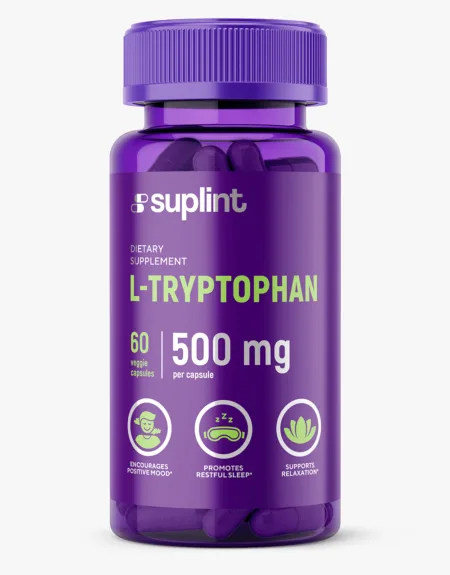 L-tryptophan, 60 capsules Original price was: 19.48 $.15.59 $Current price is: 15.59 $. Out of stock
Out of stock
- -15%
- -15%
Supplements for Depression: Support Your Mental Well-Being
Depression is a serious mental health condition that affects millions of people worldwide. It can lead to persistent feelings of sadness, hopelessness, and fatigue, making it difficult to carry out daily activities. Although treatment for depression may include therapy, medication, and lifestyle changes, many people find that incorporating natural supplements can provide additional support for their mental well-being.
Understanding Depression
Depression is more than just occasional sadness. It is a complex mood disorder that can impact a person’s thoughts, emotions, behaviors, and physical health. Common symptoms of depression include:
- Persistent feelings of sadness or emptiness
- Loss of interest or pleasure in activities once enjoyed
- Fatigue or lack of energy
- Difficulty concentrating or making decisions
- Changes in appetite and sleep patterns
- Feelings of worthlessness or guilt
The exact causes of depression are not fully understood, but several factors may contribute to its development. These include:
- Genetics: A family history of depression can increase the risk of developing the condition.
- Chemical Imbalances: Imbalances in brain chemicals (neurotransmitters like serotonin, dopamine, and norepinephrine) can affect mood and emotions.
- Hormonal Changes: Changes in hormones, such as those experienced during pregnancy, menopause, or thyroid dysfunction, may trigger depression.
- Chronic Stress: Long-term stress or trauma can lead to depression, especially if an individual lacks proper coping mechanisms.
- Poor Diet and Lifestyle: Lack of proper nutrition, physical inactivity, and sleep disturbances can exacerbate feelings of depression.
In addition to conventional treatment options, many people are turning to supplements for depression to improve their mood, manage symptoms, and support overall mental health.
Natural Supplements for Depression
Several vitamins and minerals are essential for mental health and may play a role in managing symptoms of depression. These natural supplements for depression can help support brain function, regulate mood, and improve overall well-being.
1. Vitamin D
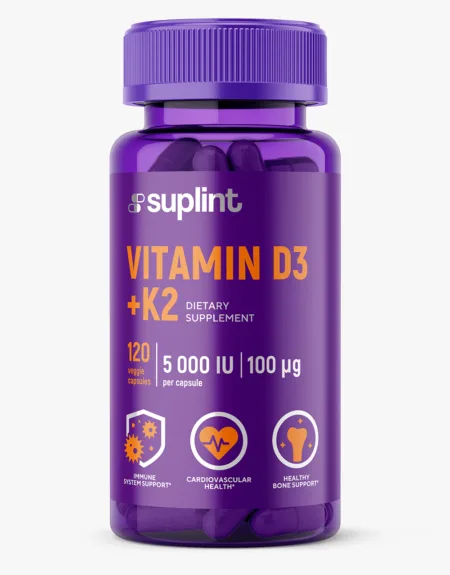
Vitamin D, often referred to as the “sunshine vitamin,” plays a crucial role in mood regulation and mental health. A deficiency in vitamin D has been linked to an increased risk of depression. It is thought that vitamin D helps regulate the production of serotonin, a neurotransmitter responsible for mood regulation. Supplementing with vitamin D may help improve mood and reduce feelings of sadness.
2. B-Vitamins
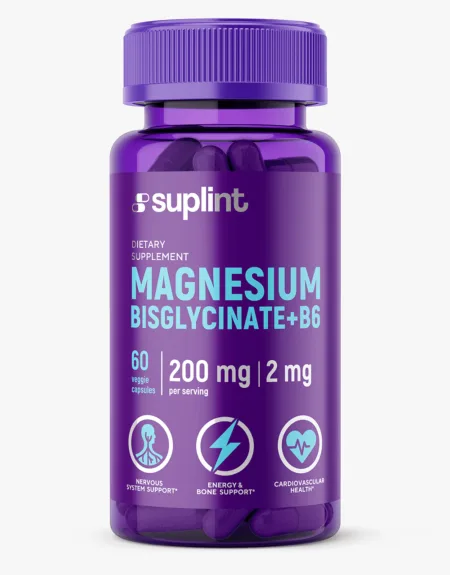
B-vitamins, particularly B12 and folate, are essential for maintaining a healthy nervous system. Low levels of these vitamins have been associated with depression and cognitive decline. Vitamin B6 is also important for the production of serotonin and norepinephrine, neurotransmitters that regulate mood. Ensuring adequate intake of B-vitamins can help support emotional well-being and energy levels.
3. Magnesium
Magnesium is an essential mineral that plays a significant role in many bodily functions, including nerve and muscle function. Research suggests that magnesium deficiency may contribute to mood disorders, including depression. Magnesium helps regulate stress hormones and neurotransmitters, and supplementing with magnesium may help improve mood and reduce anxiety and depressive symptoms.
4. Omega-3 Fatty Acids
Omega-3 fatty acids, found in fish oil and certain plant-based oils, are vital for brain health. Studies have shown that low levels of omega-3s are associated with an increased risk of depression. Omega-3 supplements can support brain function, reduce inflammation, and may help alleviate some of the symptoms of depression.
5. L-Tryptophan
L-tryptophan is an amino acid that the body uses to produce serotonin. Serotonin is a neurotransmitter that helps regulate mood, and low levels of serotonin are often associated with depression. By increasing serotonin production, L-tryptophan may help improve mood and alleviate depressive symptoms.
6. St. John’s Wort
St. John’s Wort is a well-known herbal supplement often used for its mood-boosting properties. It has been shown to have mild antidepressant effects by influencing the levels of neurotransmitters like serotonin, dopamine, and norepinephrine. However, it may interact with other medications, so it is essential to consult with a healthcare provider before using it.
7. Ashwagandha
Ashwagandha is an adaptogenic herb that helps the body adapt to stress. It has been shown to reduce cortisol levels, the body’s primary stress hormone, which can help alleviate symptoms of depression and anxiety. By supporting the adrenal glands and reducing stress, ashwagandha may promote emotional balance and mental clarity.
8. Saffron
Saffron has been studied for its potential antidepressant properties. Research indicates that saffron can help improve mood by increasing serotonin levels in the brain. This potent spice is often used as a natural remedy for depression and anxiety, and supplementing with saffron may offer mood-boosting benefits.
How Supplements for Depression Can Help
Incorporating vitamin supplements for depression into a balanced lifestyle may help individuals cope with the emotional and mental strain of depression. By supporting the body’s natural ability to regulate mood, improve neurotransmitter function, and reduce stress, these supplements can be a valuable addition to a holistic approach to managing mental health.
Supplements for depression are not a one-size-fits-all solution, and their effectiveness may vary from person to person. While they can offer valuable support, it is essential to consult with a healthcare provider to determine the best approach for managing depression.
Conclusion
Depression can significantly impact your quality of life, but there are steps you can take to support your mental well-being. Dietary supplements for depression can play an important role in improving mood, supporting brain health, and managing stress. By incorporating vitamins, minerals, and herbs known for their mood-boosting properties, you can support your body and mind as you work to improve your emotional well-being.