
How This Article Was Researched
This guide was developed by Suplint’s research team using data from peer-reviewed studies, clinical guidelines, and trusted health organizations like the CDC and Mayo Clinic. We analyzed recent medical literature (2020–2025) on immune health, virology, and preventive strategies to ensure accuracy and relevance. All recommendations align with current scientific consensus and public health guidelines. This article is not a substitute for professional medical advice. Always consult a healthcare provider before making changes to your lifestyle, diet, or supplement routine.
Going through the cold and flu season can feel like dodging invisible obstacles, especially with busy schedules and changing weather.
To understand how to prevent getting sick you need to be aware of how these viruses spread and take proactive steps for prevention. This guide offers practical advice and insights into cold and flu prevention, helping you maintain your health and vitality year-round.
Understanding the Flu and Cold – Prevention from Virus Spread
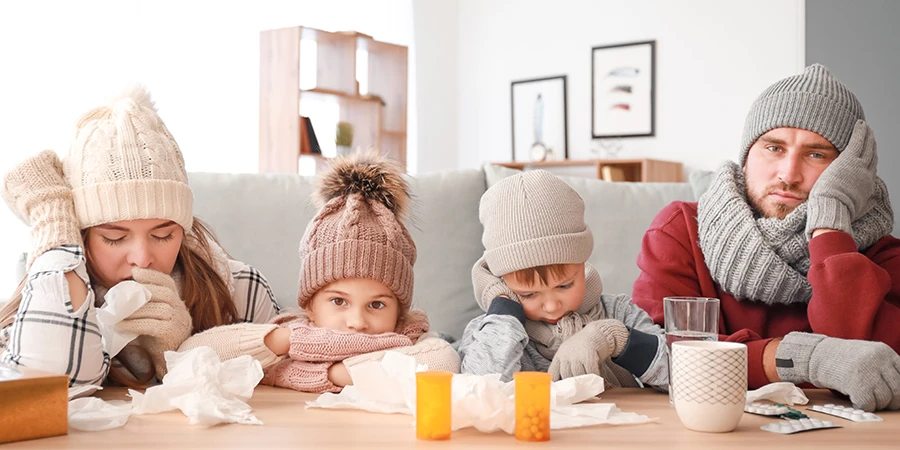
The common cold and influenza (the flu) are both respiratory illnesses caused by different viruses, but they share similar symptoms like cough, sore throat, and fatigue.
Knowing how the flu is transmitted and how cold viruses spread is the first step in effective prevention. Both primarily spread through respiratory droplets produced when an infected person coughs, sneezes, or talks.
These droplets can land in the mouths or noses of people nearby or possibly be inhaled into the lungs. Less often, a person might get infected by touching a surface or object that has the virus on it and then touching their own mouth, nose, or possibly their eyes (CDC).
Protecting yourself involves understanding these transmission routes and implementing strategies for cold prevention and influenza prevention.
Preventing the Flu Spread
Influenza viruses are known for their ability to change rapidly, which is why annual vaccination is recommended (PubMed).
When is the flu contagious? Most healthy adults may be able to infect others beginning 1 day before symptoms develop and up to 5 to 7 days after becoming sick. Children and people with weakened immune systems might be contagious for even longer.
Key strategies for influenza prevention include:
- Getting Vaccinated: The annual flu shot is the most effective way to protect against influenza and its potential complications (CDC). Vaccines are updated yearly to match circulating strains.
- Practicing Good Hygiene: Frequent handwashing with soap and water for at least 20 seconds, or using an alcohol-based hand sanitizer if soap and water aren’t available, is crucial. Avoid touching your face (eyes, nose, and mouth) with unwashed hands.
- Avoiding Close Contact: Stay away from people who are sick. If you are sick, keep your distance from others to protect them from getting sick too.
- Covering Coughs and Sneezes: Use a tissue to cover your mouth and nose when coughing or sneezing, then discard the tissue immediately. If you don’t have a tissue, cough or sneeze into your elbow.
Understanding how the flu is transmitted helps reinforce the importance of these hygiene measures. Prevention from flu relies heavily on these collective efforts.
Preventing the Cold Virus
Common colds are caused by numerous different viruses, most commonly rhinoviruses.
Unlike the flu, there’s no vaccine for the common cold. Therefore, how to prevent a cold relies heavily on lifestyle and hygiene practices.
Effective cold prevention tactics:
- Hand Hygiene: Just like with the flu, washing your hands frequently and thoroughly is paramount for how to prevent cold virus transmission.
- Disinfecting Surfaces: Regularly clean and disinfect frequently touched surfaces at home, work, and school, especially when someone is sick.
- Boosting Immune Defenses: Maintaining a strong immune system through diet, exercise, and adequate sleep can increase your body’s resistance to viruses.
- Avoiding Sick Individuals: Keep your distance from people showing cold symptoms.
Knowing how to avoid a cold often comes down to consistent application of these simple, yet effective, hygiene measures.
Effective Strategies to Prevent Getting Sick

Beyond understanding virus transmission, adopting daily habits can significantly reduce your risk of illness. Learning how to stop being sick involves a holistic approach encompassing diet, lifestyle, and specific preventative actions. These strategies contribute to overall wellness and strengthen your body’s natural defenses.
Top Tips How to Prevent a Cold
Wondering how to not get ill? Consistency is key. Here are actionable steps you can take daily to prevent cold and flu:
- Step 1: Wash Your Hands Often: Use soap and water for 20 seconds, especially after being in public places or touching common surfaces. Carry hand sanitizer (at least 60% alcohol) for times when soap isn’t available.
- Step 2: Don’t Touch Your Face: Viruses often enter the body through the eyes, nose, and mouth. Avoid touching your face with unwashed hands.
- Step 3: Stay Hydrated: Drinking plenty of fluids, especially water, helps keep mucous membranes moist, potentially making them more resistant to viruses.
- Step 4: Eat a Balanced Diet: Focus on whole foods rich in vitamins for immune system support, such as fruits, vegetables, lean proteins, and whole grains. Aim for five to nine servings of fruits and vegetables daily (Harvard Health).
- Step 5: Get Enough Sleep: Aim for 7-9 hours of quality sleep per night. Sleep deprivation can weaken your immune system.
- Step 6: Manage Stress: Chronic stress can negatively impact immune function. Find healthy ways to cope, like exercise, meditation, or hobbies.
- Step 7: Clean and Disinfect: Regularly clean high-touch surfaces like doorknobs, phones, and keyboards.
Implementing these tips provides a solid foundation for how to avoid getting sick.
Simple Ways to Stay Healthy Year-Round
Maintaining good health isn’t just about surviving cold and flu season; it’s a year-round commitment. Thinking about how to not get sick involves long-term habits for sustained immunity.
- Regular Exercise: Aim for moderate physical activity most days of the week. Exercise improves circulation and can boost immune cell function.
- Balanced Nutrition: Continue focusing on a nutrient-dense diet throughout the year, not just during peak illness seasons. Prioritize nutrients that support immune health.
- Adequate Hydration: Make water your primary beverage choice. Proper hydration supports overall bodily functions, including immune responses.
- Sufficient Sleep: Prioritize consistent sleep schedules to support immune recovery and function.
- Stress Management: Incorporate stress-reducing activities into your routine regularly. Chronic stress weakens resistance to various health issues, including cold and flu.
These simple ways contribute significantly to how to prevent sickness over the long term, building strength and resilience.
The Role of Vitamins in Immune System Health
Your immune system is a complex network requiring various nutrients to function optimally.
Vitamins for immune system support are crucial components of this network, playing roles in everything from cell development to antioxidant defense.
While a balanced diet is the best way to obtain these vitamins, supplements can sometimes help fill nutritional gaps, particularly when dietary intake is insufficient (Mayo Clinic).
⚠️ Warning: Always consult a healthcare professional before starting any new supplements, especially if you have underlying health conditions or take other medications. Self-diagnosing and treating nutrient deficiencies can be risky.
Best Vitamins to Prevent Colds and Flu
Certain vitamins have gained attention for their potential roles in immune support and cold prevention.
Research suggests some may help reduce the duration or severity of colds, although preventing infection outright is more complex (Health Professional Fact Sheet). Here are some key vitamins to prevent colds and flu:
- Vitamin C: Known for its antioxidant properties, Vitamin C supports various immune cell functions. Regular intake might shorten cold duration by about 8% in adults and 14% in children, and potentially reduce severity. While it doesn’t consistently prevent colds in the general population when taken after symptoms start, consistent intake, especially for those under physical stress, may offer benefits.
- Vitamin D: Often called the “sunshine vitamin,” Vitamin D plays a role in modulating immune responses. Some studies suggest a link between lower Vitamin D levels and increased risk of respiratory infections. Fatty fish, fortified milk, and sunlight exposure (safely) are sources. Many people in the USA, especially during winter months, may have lower levels.
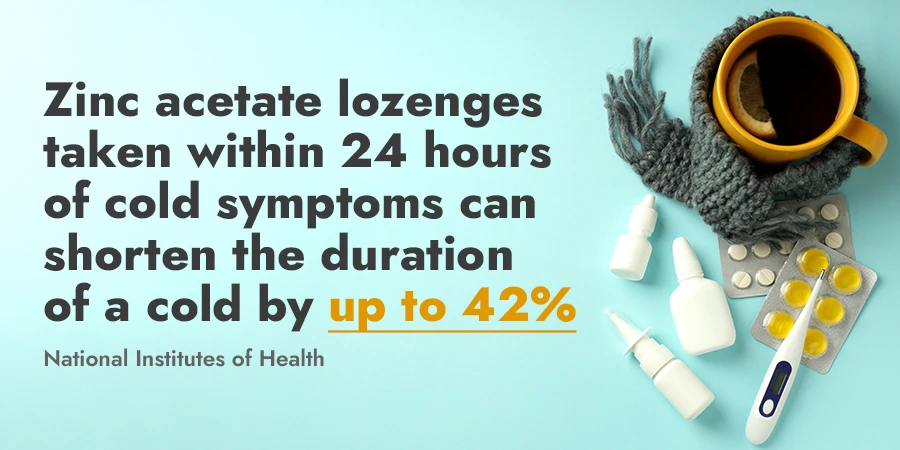
- Zinc: This mineral is crucial for immune cell development and communication. Some research indicates zinc lozenges or syrup started within 24 hours of symptom onset may reduce cold duration (Mayo Clinic). However, nasal zinc forms should be avoided due to potential side effects like loss of smell.
While these are often highlighted as the best vitamins to prevent flu and colds, remember that a holistic approach including overall nutrition and lifestyle is key.
Vitamins for Immune System Boost
Beyond C, D, and Zinc, other vitamins for immune system support contribute to overall health and resistance:
- Vitamin E: A powerful antioxidant that helps protect cells from damage. It supports immune function, particularly in older adults. Found in nuts, seeds, spinach, and broccoli.
- Vitamin B6: Vital for supporting biochemical reactions in the immune system. Found in chicken, fish, potatoes, chickpeas, and bananas.
- Vitamin A: Important for maintaining the integrity of mucosal barriers (like in the respiratory tract) and supports immune cell function. Found in sweet potatoes, carrots, spinach, and liver.
| Nutrient | Primary Role in Immunity | Common Food Sources | Supplementation Notes |
| Vitamin C | Antioxidant, supports immune cell function | Citrus fruits, berries, peppers, broccoli | May shorten cold duration with regular intake |
| Vitamin D | Modulates immune responses | Fatty fish, fortified milk, sunlight | May reduce infection risk if deficient; consult doctor |
| Zinc | Immune cell development & function | Oysters, meat, poultry, beans, nuts | May shorten cold duration if taken early |
| Vitamin A | Maintains mucosal barriers, cell function | Sweet potatoes, carrots, spinach, liver | Essential for surface lining integrity |
| Vitamin E | Antioxidant, protects cells | Nuts, seeds, spinach, vegetable oils | Supports immune response, especially in elderly |
| Vitamin B6 | Supports immune biochemical reactions | Chicken, fish, potatoes, chickpeas, bananas | Involved in antibody production |
This table summarizes key vitamins for immune system function and highlights why a varied diet is essential for comprehensive immunity support.
Lifestyle Habits That Help You Avoid Illness
Beyond diet and specific vitamins, your daily habits significantly influence your ability to avoid getting sick.
Simple, consistent choices regarding hydration, sleep, and stress management form the bedrock of strong immune defenses and overall wellness. Knowing how to avoid the flu and colds involves nurturing these fundamental aspects of health.
How to Stay Hydrated to Avoid Illness
Hydration is often overlooked but plays a critical role in how to prevent sickness. Water is essential for numerous bodily functions, including those supporting the immune system (Mayo Clinic [Video]).
Why Hydration Matters: Adequate fluid intake helps maintain the function of mucosal barriers in your respiratory tract. These barriers are a first line of defense against pathogens. Dehydration can impair their function. Water also helps transport nutrients to cells and flush waste products.
How Much to Drink: General recommendations often suggest around 8 glasses (64 ounces) of water per day, but individual needs vary based on activity level, climate, and overall health. Listen to your body; thirst is a key indicator. Plain water is the best choice for hydration.
Tips for Staying Hydrated:
- Carry a reusable water bottle throughout the day.
- Drink water before, during, and after exercise.
- Include water-rich foods like fruits (watermelon, oranges) and vegetables (cucumber, celery) in your diet.
- Limit sugary drinks and excessive caffeine, which can be dehydrating.
Staying properly hydrated is a simple yet powerful habit for supporting your body’s ability to not get ill.
The Importance of Sleep in Preventing Colds and Flu
Never underestimate the power of sleep when it comes to immunity.
During sleep, your body undergoes critical repair and restoration processes, including the production of immune cells and proteins called cytokines that help fight inflammation and infection.
Sleep and Immune Function: Chronic sleep deprivation (consistently getting less than 6-7 hours) can suppress immune function, making you more susceptible to illnesses like the common cold. Research shows people who sleep less are more likely to get sick after being exposed to a virus (PMC).
How Much Sleep is Needed? Most adults need 7-9 hours of quality sleep per night for optimal health. Children and teenagers require even more.
Tips to Improve Your Sleep Quality:
- Maintain a consistent sleep schedule, even on weekends.
- Create a relaxing bedtime routine.
- Ensure your bedroom is dark, quiet, and cool.
- Avoid large meals, caffeine, and alcohol close to bedtime.
- Limit screen time an hour before sleep.
Stress Reduction to Keep Immune System Strong
Chronic stress takes a toll on your body, including your immune system.
When you’re stressed, your body produces hormones like cortisol. Prolonged elevation of cortisol can suppress immune system effectiveness, lowering your resistance to infections.
Stress and Susceptibility: Studies have linked chronic psychological stress to an increased likelihood of developing colds. Finding effective ways to manage stress is therefore crucial for influenza prevention and cold prevention.
Effective stress management techniques include:
- Regular Exercise: Physical activity is a proven stress reliever.
- Mindfulness and Meditation: Practices like deep breathing, meditation, or yoga can help calm the nervous system.
- Spending Time in Nature: Even short walks outdoors can reduce stress levels.
- Hobbies and Social Connection: Engaging in enjoyable activities and maintaining strong social ties buffers against stress.
- Setting Boundaries: Learning to say no and managing your workload can prevent overwhelm.
⚠️ Warning: While lifestyle changes are beneficial, persistent high stress or anxiety might require professional support. Don’t hesitate to consult a mental health professional if stress significantly impacts your daily life or health.
Managing stress effectively contributes significantly to maintaining immune strength and overall vitality, helping you to avoid getting sick.
Building strong immune defenses requires a multifaceted approach. Remember that while vitamins to prevent colds and flu like Vitamin C, Vitamin D, and Zinc play roles, they work best as part of a healthy lifestyle, not as standalone magic bullets. Prioritize these foundational habits year-round for sustained health, wellness, and resistance against common illnesses.
FAQ: Cold and Flu Prevention with Trusted Sources
Foods rich in vitamin C (such as oranges and bell peppers), zinc (oysters, pumpkin seeds), and antioxidants (berries, spinach) support immune function. Garlic and ginger may also help reduce inflammation and fight pathogens (Harvard T.H. Chan School of Public Health).
While saunas may temporarily relieve congestion, there’s limited evidence they prevent infections. Heat exposure might boost circulation, but it’s not a substitute for vaccines or hygiene (Mayo Clinic).
Honey (soothes sore throats), zinc lozenges (may shorten cold duration), and adequate hydration are backed by research. Vitamin D supplementation may help those deficient (National Institutes of Health).
Colds: Mild symptoms (runny nose, sore throat). Flu: Sudden fever, body aches. Sinus infections: Facial pain, thick mucus lasting 10+ days. Testing is needed for confirmation (Centers for Disease Control and Prevention).
Ginger tea (anti-inflammatory), peppermint tea (decongestant), and chamomile tea (sleep aid) can ease symptoms. Add honey for sore throat relief (Cochrane Library).
A warm shower helps loosen congestion and relax muscles. Avoid extreme temperatures, which can stress the body (Cleveland Clinic).