How This Article Was Researched
This guide was created by Suplint’s research team using data from peer-reviewed studies and trusted health organizations. We reviewed medical research on women’s health and menopause to ensure the advice is practical and science-backed. All sources referenced in this article are authoritative and reflect the latest findings in menopause research published within the last five years. This article is not a substitute for professional medical advice. Always consult a healthcare specialist before making changes to your lifestyle, diet, or supplement routine.
Menopause represents a natural biological transition that affects every woman’s life, typically occurring around age 52 in the United States (National Institute on Aging). Understanding what is menopause and its profound effects on your body empowers you to navigate this important life stage with confidence and knowledge.
What Is Menopause And How Does It Start?

What is menopause exactly? Menopause occurs when your ovaries stop producing eggs and significantly reduce hormone production, marking the end of your reproductive years (Cleveland Clinic)(National Institute on Aging). You’ve officially reached menopause when you haven’t had a menstrual period for 12 consecutive months (Cleveland Clinic)(Mayo Clinic Press).
How menopause begins varies for each woman, but the transition typically starts in your mid-40s when hormone levels begin fluctuating (National Institute on Aging)(Mayo Clinic Press). Your ovaries gradually produce less estrogen and progesterone — the key hormones that regulate your menstrual cycle and fertility (Mayo Clinic Press)(AWHCare). This hormonal shift triggers the cascade of changes your body experiences during this transition.
The average American woman experiences menopause at 52, though it can occur anywhere from the early 40s to late 50s. Genetics largely determine when your menopause will begin, along with factors like smoking, which can accelerate the process.
Stages Of Menopause
Understanding the stages of menopause helps you recognize what’s happening in your body and prepare for each phase. The menopausal transition unfolds over three distinct stages, each bringing unique challenges and changes (Mayo Clinic Press)(WebMD).
Perimenopause: Initial Symptoms
Perimenopause represents the beginning of your menopausal journey, typically starting in your mid-40s and lasting several years (Mayo Clinic Press)(Summa Health). During this stage, your hormone levels fluctuate wildly, causing irregular periods and early menopause symptoms (Summa Health)(Menopause Society).
Signs of menopause during perimenopause include:
- Irregular menstrual cycles or skipping periods entirely
- Hot flashes and night sweats beginning to appear
- Mood swings and increased irritability
- Sleep disturbances and difficulty staying asleep
- Changes in libido and vaginal dryness
Important Note: You can still become pregnant during perimenopause despite irregular periods. Continue using contraception until you’ve gone 12 months without a period.
Menopause: Definitive Changes

True menopause occurs when you’ve completed 12 consecutive months without a menstrual period (Cleveland Clinic)(WebMD). At this point, your ovaries have essentially stopped releasing eggs and producing significant amounts of reproductive hormones (Mayo Clinic Press)(Healthline).
Symptoms of hormonal changes in women intensify during this stage as estrogen levels drop to their lowest point (Healthline)(AWHCare). Your body must adapt to functioning with dramatically reduced hormone levels, affecting multiple systems simultaneously.
Postmenopause: Long Term Care
Postmenopause begins after you’ve gone one full year without periods and continues for the rest of your life (Cleveland Clinic)(WebMD). While many acute symptoms may gradually improve, this stage brings new health considerations that require ongoing attention and care (Menopause Foundation Canada)(LetsTalkMenopause).
The effects of menopause on the body become more pronounced during postmenopause, particularly regarding bone health, cardiovascular wellness, and urinary function (Menopause Foundation Canada)(LetsTalkMenopause). Understanding these long-term changes helps you take proactive steps to maintain your health and vitality.
Common Symptoms Of Menopause
Menopause symptoms affect up to 80% of women and can significantly impact quality of life (Menopause Society)(WebMD). The duration and intensity vary greatly — some women experience mild symptoms for a few months, while others deal with more severe symptoms for several years.
Hot Flashes And Night Sweats
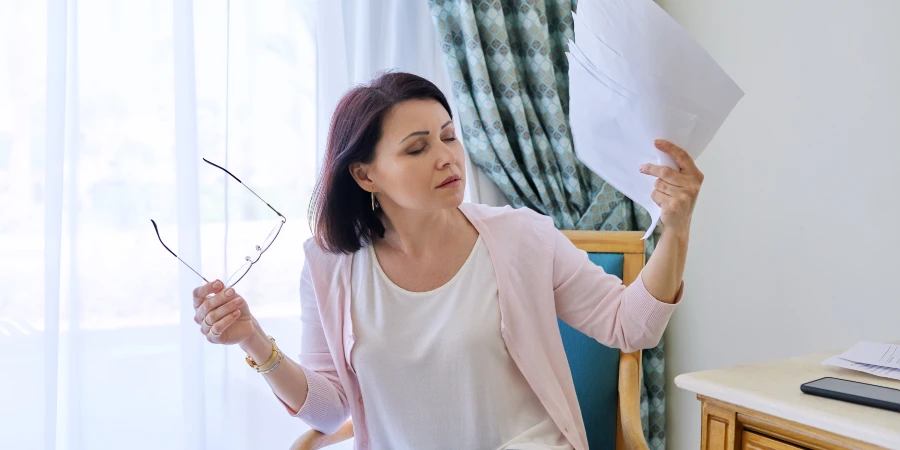
Hot flashes represent the most recognizable and common symptom of menopause, affecting up to 80% of women during their transition (Menopause Society)(WebMD). These sudden waves of intense heat typically last 1-5 minutes and often include profuse sweating, rapid heartbeat, and feelings of anxiety (Menopause Society)(Cleveland Clinic).
Night sweats are simply hot flashes occurring during sleep, frequently causing you to wake up drenched in perspiration (Cleveland Clinic)(Medical News Today). The symptoms of hormonal changes in women related to temperature regulation stem from estrogen’s declining influence on your hypothalamus — your body’s internal thermostat (Medical News Today)(Sleep Foundation).
Research shows that women often wake up just before a hot flash occurs, suggesting that brain changes triggering the hot flash may also cause the awakening. This explains why sleep disruption extends beyond just the discomfort of night sweats.
Mood Changes
Hormones in menopause significantly impact your emotional well-being and mental health (Sleep Foundation)(Sleep Foundation). Fluctuating estrogen levels affect neurotransmitters responsible for mood regulation, leading to increased rates of depression and anxiety during the menopausal transition (Sleep Foundation)(PMC).
Studies show that women are two to four times more likely to develop major depressive disorder during menopause compared to their premenopausal years (PMC). The relationship between mood and sleep creates a challenging cycle — poor sleep worsens mood symptoms, while anxiety and depression further disrupt rest (Sleep Foundation)(PMC).
What pains does menopause produce? Beyond physical discomfort, many women experience emotional pain, including:
- Increased irritability and mood swings
- Feelings of sadness or depression
- Heightened anxiety and worry
- Loss of confidence and self-esteem
Sleep Problems

Sleep disturbances affect 28-63% of women during their menopausal transition, making rest one of the most commonly affected areas (Hopkins Medicine)(Sleep Foundation). Poor sleep quality and frequent nighttime awakenings become increasingly common as hormone levels decline (Hopkins Medicine)(PMC).
Effects of menopause on sleep include:
- Difficulty falling asleep initially
- Frequent awakening during the night
- Early morning awakening with inability to return to sleep
- Less total sleep time and poor sleep quality
- Daytime fatigue and sleepiness
The decline in estrogen and progesterone disrupts your body’s natural sleep-wake cycle (Sleep Foundation)(PMC). Progesterone, which has natural sleep-inducing properties, drops significantly during menopause, compounding sleep difficulties (PMC).
Vaginal Alterations And Hormonal Changes
Genitourinary syndrome of menopause (GSM) affects more than half of postmenopausal women, yet many don’t realize these symptoms connect to declining estrogen levels (Everyday Health)(Cleveland Clinic). Estrogens and menopause are intimately linked — as estrogen drops, vaginal tissues become thinner, drier, and less elastic (Everyday Health)(Cleveland Clinic).
Effects of menopause on the body regarding vaginal health include:
- Decreased vaginal lubrication and dryness
- Thinning of vaginal walls (vaginal atrophy)
- Changes in vaginal pH that increase infection risk
- Discomfort or pain during sexual activity
- Urinary symptoms including frequent infections
Health Alert: Up to 84% of postmenopausal women experience chronic genital, sexual, and urinary symptoms that rarely resolve without treatment. Don’t suffer in silence — these symptoms are treatable with proper medical care.
What Happens To My Body During Menopause

The effects of menopause on the body extend far beyond reproductive changes, affecting multiple organ systems as hormone levels decline (Healthline)(AWHCare). Understanding these systemic changes helps you recognize symptoms and seek appropriate care.
Hormonal Effects On The Body
Estrogens and menopause represent one of the most significant hormonal shifts your body will experience (Healthline)(Healthline). Estrogen affects virtually every organ system, so its decline creates widespread physiological changes (BHF)(Menopause Foundation Canada).
| Hormone | Pre-Menopause Function | Menopause Changes | Body Effects |
| Estrogen | Regulates menstrual cycle, protects bones and heart | Drops by 90% or more | Hot flashes, bone loss, cardiovascular risk |
| Progesterone | Prepares uterus for pregnancy, promotes sleep | Significant decline | Sleep disruption, mood changes |
| Testosterone | Supports libido and muscle mass | Gradual decrease | Reduced sex drive, muscle weakness |
The metabolic effects include weight gain, particularly around your midsection, as your body begins storing energy differently (Healthline)(Hopkins Medicine). Your body’s ability to process glucose also changes, potentially increasing diabetes risk (BHF)(Menopause Foundation Canada).
Changes In The Uterus And Breasts
Effects of menopause on reproductive organs include significant changes to both your uterus and breasts (WebMD)(DrAliAbadi). As estrogen levels drop, your uterine lining (endometrium) becomes thinner, eventually leading to the cessation of menstrual periods (Mayo Clinic Press)(Healthline).
Breast changes during menopause often surprise women, as many expect only reproductive organs to be affected (WebMD)(DrAliAbadi). Your breasts may become less dense as glandular tissue shrinks and is replaced by fatty tissue (WebMD). This can lead to:
- Changes in breast size and shape
- Loss of firmness and increased sagging
- Decreased fullness and altered appearance
- Potential increase in breast tenderness
The hormonal changes also affect skin elasticity throughout your body, contributing to the stretching and sagging effects on breast tissue. Many women find they need to change bra sizes during this transition.
Impact On Bones And Cardiovascular System
The most significant long-term health risks involve your bones and cardiovascular system (Menopause Foundation Canada)(Nature). Estrogen plays a crucial protective role in both areas, so its decline dramatically increases disease risk.
Bone health deteriorates rapidly after menopause, with women potentially losing up to 20% of bone density in the first five to seven years following their last period (Endocrine Society)(LetsTalkMenopause). This dramatic bone loss occurs because estrogen helps regulate the bone remodeling process — without adequate estrogen, bone breakdown exceeds bone formation (Endocrine Society)(LetsTalkMenopause).
Cardiovascular changes represent an equally serious concern for women. Before menopause, estrogen helps maintain healthy cholesterol levels and keeps blood vessels flexible. After menopause, women’s risk for heart disease equals that of men their same age.
Influence Of Estrogens And Progesterone
Estrogens and menopause share an intricate relationship that affects every aspect of your health and well-being (Healthline)(Nebraska Medicine). Understanding how these hormones function helps explain why their decline creates such widespread changes throughout your body.
Estrogen serves as more than just a reproductive hormone — it acts as a protective factor for multiple organ systems. It helps maintain bone density, supports cardiovascular health, regulates body temperature, and influences mood and cognitive function. When estrogen levels plummet during menopause, these protective effects diminish significantly.
Progesterone works synergistically with estrogen throughout your reproductive years (Healthline)(Nebraska Medicine). Known as the “pregnancy hormone,” progesterone also affects sleep quality, mood stability, and overall sense of well-being (Healthline)(Sleep Foundation). Its decline contributes to sleep disturbances and mood changes that many women experience during their menopausal transition.
Medical Consideration: Natural hormones for menopause therapy requires careful medical supervision. While hormone replacement can effectively treat many symptoms, it’s not appropriate for all women and carries potential risks that must be weighed against benefits.
What Diseases Does Menopause Bring?
What diseases does menopause bring? The declining hormone levels, particularly estrogen, increase your risk for several serious health conditions that require ongoing monitoring and preventive care (Menopause Foundation Canada)(Nature).
Osteoporosis represents the most immediate threat, with one in two postmenopausal women expected to suffer an osteoporosis-related fracture during their lifetime (Endocrine Society)(LetsTalkMenopause). The rapid bone loss following menopause significantly increases fracture risk, particularly in the spine, hips, and wrists (Endocrine Society)(LetsTalkMenopause).
Cardiovascular disease becomes the leading health threat for postmenopausal women in the United States (Menopause Foundation Canada)(Everyday Health). Studies show that women’s cardiovascular risk doubles every decade after age 55, making heart disease more likely to cause death than breast cancer (BHF)(LetsTalkMenopause).
Additional health risks include:
- Stroke risk increases due to cholesterol buildup in arteries leading to the brain (Menopause Foundation Canada)
- Diabetes risk rises as the body becomes less efficient at processing glucose (BHF)(Menopause Foundation Canada)
- Urinary incontinence affects about half of postmenopausal women due to weakened pelvic floor muscles (Menopause Foundation Canada)(LetsTalkMenopause)
- Cognitive changes may occur, though the relationship between menopause and memory remains under study (Healthline)
| Health Risk | Pre-Menopause Risk | Post-Menopause Risk | Prevention Strategies |
| Osteoporosis | Low risk | 1 in 2 women affected | Calcium, Vitamin D, weight-bearing exercise |
| Heart Disease | Lower than men | Equal to men same age | Regular exercise, healthy diet, blood pressure monitoring |
| Stroke | Baseline risk | Doubles every decade after 55 | Cholesterol management, blood pressure control |
| GSM Symptoms | Rare | Up to 84% of women | Vaginal estrogen, lubricants, regular activity |
Treatments And Strategies To Alleviate Symptoms
Managing menopause symptoms requires a comprehensive approach combining lifestyle modifications, supplements for menopause, and when appropriate, medical interventions (WebMD)(Hopkins Medicine). The key lies in finding the right combination of strategies that work for your unique situation and health profile.
Use Of Natural Hormones For Menopause

Natural hormones for menopause therapy can effectively treat vasomotor symptoms like hot flashes and night sweats when lifestyle approaches aren’t sufficient (Nebraska Medicine)(Sleep Foundation). Hormone therapy typically involves estrogen supplementation, often combined with progesterone for women who still have their uterus (Nebraska Medicine)(Sleep Foundation).
Research demonstrates that menopausal hormone therapy can significantly reduce:
- Hot flashes and night sweats by up to 80% (Nebraska Medicine)(Sleep Foundation)
- Sleep disturbances and related fatigue (Sleep Foundation)(PMC)
- Vaginal dryness and sexual discomfort (Nebraska Medicine)(Everyday Health)
- Risk of osteoporotic fractures (Nebraska Medicine)(PubMed)
However, hormone therapy isn’t appropriate for all women and requires careful consideration of individual risk factors (Nebraska Medicine)(PubMed). Women with certain medical histories, including blood clots, stroke, or hormone-sensitive cancers, may not be candidates for this treatment approach.
Natural Remedies For Symptom Relief

Perimenopause natural treatment and natural approaches to menopause management offer valuable alternatives or complements to conventional therapy (WebMD)(WebMD). Many women successfully manage their symptoms using evidence-based natural strategies.
How to naturally manage menopause symptoms:
- Optimize your nutrition
- Increase calcium intake to 1,200 mg daily for bone health (WebMD)(Hopkins Medicine)
- Ensure adequate vitamin D (600-800 IU daily) for calcium absorption (WebMD)(Hopkins Medicine)
- Include phytoestrogen-rich foods like soy products and flaxseed (WebMD)
- Incorporate targeted supplements
- Vitamins for menopause include vitamin E for hot flash relief (Northpointe OBGYN)(WebMD)
- Vitamins for women during menopause should include B6 for mood support (Northpointe OBGYN)
- Black cohosh may help reduce hot flashes in some women (WebMD)(WebMD)
- Establish healthy lifestyle habits
- Engage in regular weight-bearing exercise for bone health (Hopkins Medicine)(Endocrine Society)
- Practice stress-reduction techniques like yoga or meditation (WebMD)(The Better Menopause)
- Maintain consistent sleep schedules and good sleep hygiene (The Better Menopause)(Hopkins Medicine)
- Address specific symptoms naturally
- Use cooling strategies for hot flashes (fans, cool clothing, avoiding triggers) (Medical News Today)(WebMD)
- Try relaxation techniques for sleep improvement (The Better Menopause)(Sleep Foundation)
- Consider herbal remedies like ashwagandha for sleep and anxiety (The Better Menopause)
Recommended products
-

Magnesium + B6, 60 capsules
19.48 $ -

Vitamin D3+K2, 120 capsules
23.98 $ -

Women’s Multivitamin Complex, 60 capsules
19.48 $
The combination of lifestyle modifications, targeted supplements for menopause, and natural remedies can significantly improve quality of life during this transition. Many American women find that a holistic approach addressing nutrition, exercise, stress management, and targeted supplementation provides substantial symptom relief while supporting long-term health and wellness.
Safety Reminder: Always consult with your healthcare provider before starting any new supplement regimen or natural treatment approach. Some herbs and supplements can interact with medications or may not be appropriate for certain health conditions.
Remember that menopause represents a natural life transition, not a disease requiring cure. With proper understanding, preparation, and support, you can navigate this change while maintaining your health, vitality, and overall sense of well-being throughout this important phase of your life.
References:
- National Institute on Aging (NIA): https://www.nia.nih.gov/health/menopause/what-menopause
- Cleveland Clinic: https://my.clevelandclinic.org/health/diseases/21841-menopause
- Mayo Clinic Press: https://mcpress.mayoclinic.org/menopause/explaining-the-stages-of-menopause/
- The Menopause Society: https://menopause.org/patient-education/menopause-topics/hot-flashes
- Johns Hopkins Medicine: https://www.hopkinsmedicine.org/health/conditions-and-diseases/staying-healthy-after-menopause
- Sleep Foundation: https://www.sleepfoundation.org/women-sleep/menopause-and-sleep
- PubMed (2022 Research): https://pubmed.ncbi.nlm.nih.gov/35400590/
- Nature Scientific Reports (2025): https://www.nature.com/articles/s41598-025-86613-8
- Endocrine Society: https://www.endocrine.org/patient-engagement/endocrine-library/menopause-and-bone-loss
- Nebraska Medicine: https://www.nebraskamed.com/womens-health/you-asked-we-answered-do-i-need-to-take-estrogen-and-progesterone-after-menopause